The Forty Days Postpartum Rest We Forgot
We spend nine months preparing the nursery, but we spend zero minutes preparing our souls for the “void” that comes after the storm of birth.
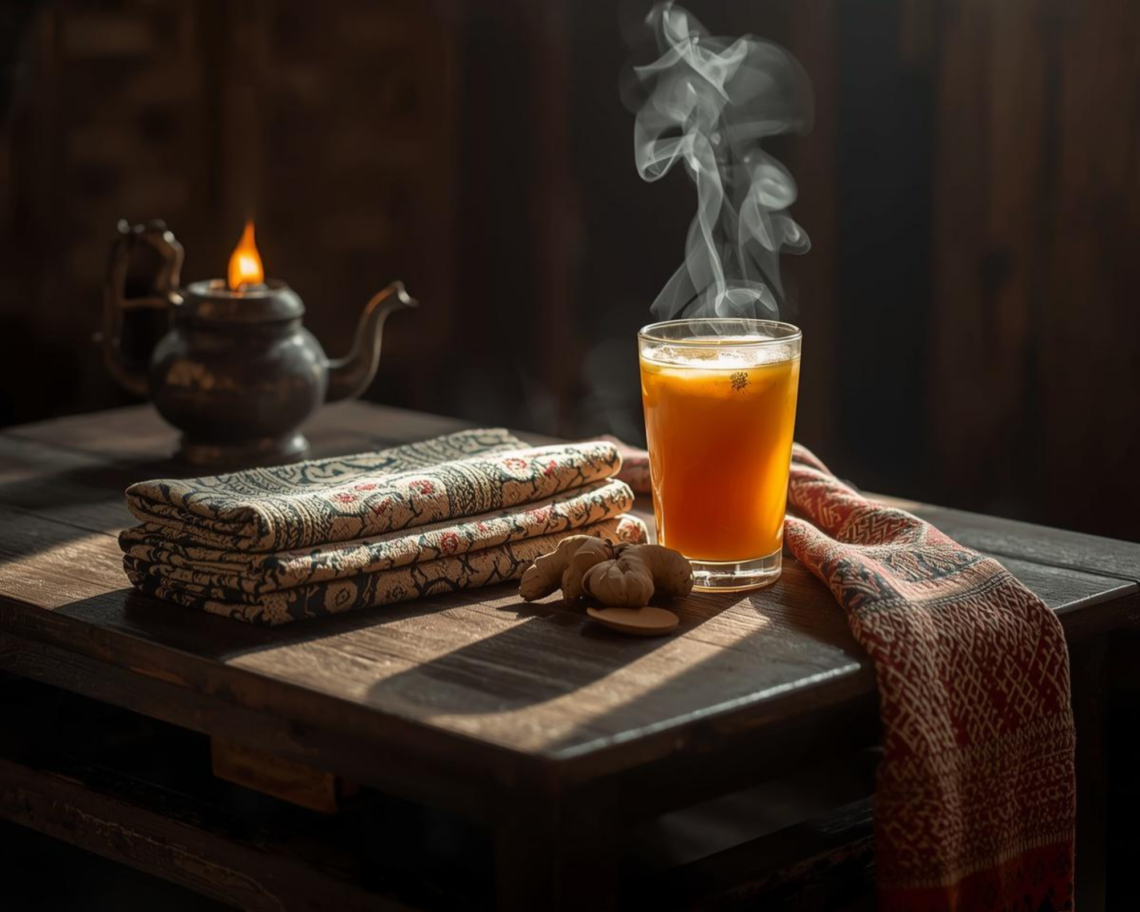
In Java, where my roots are, we don’t “prepare” for postpartum with a shopping list; we prepare with a shift in tempo. There is a quiet, deeply practiced understanding that a mother must be held for forty days. Traditionally, her body is considered “open” and her energy fragile. She is surrounded by her mother or her mother-in-law—whoever brings her the most peace. There are helpers, traditional masseuses, the warming heat of Jamu tonics, and specific foods designed to “seal” the body back together.
But for many of us living in nuclear families today, especially as expats in places like Sharjah, that ancestral rhythm is often replaced by the pressure to “bounce back.”
The 5:00 AM Kitchen vs. The Village
Postpartum in the modern world is a tug-of-war between the isolation of the nuclear family and the Barakah of sisterhood. I have lived both.
My Truth: I remember coming home from the hospital and waking up at 5:00 AM the very next morning. I stood in my kitchen, lightheaded and weak, packing lunchboxes for my older children and my husband. I was crying into the bread, praying my newborn wouldn’t wake up yet so I could just finish this one task. Then, I washed my face, forced a smile, and woke the kids up for the school bus so they wouldn’t see my struggle.
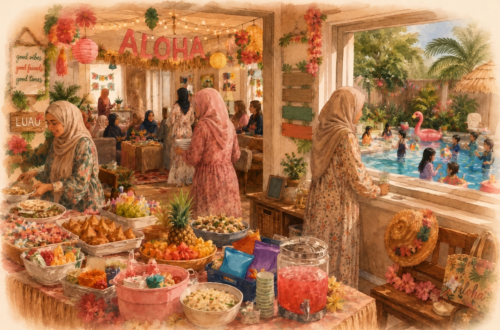
But I also remember the moments that saved me. I remember the Alhamdulillah moments when I didn’t have to be the hero. I remember the friends who sent frozen and hot food for days so I didn’t have to stand at the stove. I remember the sister who came over just to talk to me while I sat in my pajamas, letting me feel human again. I remember my husband took me out for a drive just to see the sky, so I wouldn’t lose my mind staying inside the same four walls all day.
Learn from me: You were never meant to be a “Superwoman.” Strength isn’t packing lunchboxes while your stitches are still fresh; strength is opening the door and letting someone else bring you a tray of food.
The Doula’s Eyes
It was around my fourth birth that I decided to formalize what my body was feeling. I studied to become a doula and a childbirth educator because I needed to understand the mechanics of this “void.” I learned that while we prepare women for the “battle” of labor, we often leave them shivering in the aftermath.
A woman does not just give birth to a baby; she is being born into a new version of herself. And that kind of transformation needs space. It needs gentleness.
The Divine Pause: Worship in the Stillness
In Islam, there is a profound mercy during this season. A woman in her postpartum state is exempt from prayer and fasting.
Many sisters feel a sense of loss during this time, as if they are “away” from Allah. But this is a station of worship, not a vacation from it. Your exhaustion is seen. Your stillness is counted. The way you hold your child in the middle of the night is a prayer. Even when you aren’t standing in Sujud, you are in a state of worship because you are fulfilling the Amanah He placed in your arms.
A Reading List for the Soul to Find Your Way Back:
If you are looking to bridge the gap between the modern world and the ancient rhythm of the forty days, these are the books I keep in my own sanctuary:
- The First Forty Days by Heng Ou
A beautiful guide to nourishing the new mother. It mirrors the Javanese focus on warmth and “sealing” the body. - Ina May’s Guide to Childbirth by Ina May Gaskin
An essential text for trusting your fitrah and the physiological power of birth. - Reclaiming Childbirth as a Rite of Passage by Rachel Reed
A validation of the psychological transformation that happens in the “void.” - Indonesian Herbal Healing: The Science and Lore of Jamu Herbal Preparations and Treatments by Susan-Jane Beers
The science and lineage behind the roots and tonics of our grandmothers. - The Dua book by Ibrahim Al-Abadi
A spiritual anchor to keep the heart tied to its Creator during the pause of formal prayer.
What I Want You to Carry With You
Reclaiming these traditions isn’t about doing everything perfectly. It’s about listening to that quiet whisper in your bones that says: You are worth the rest. You are worth the warmth. You are worth being held.
The “void” is not emptiness. It is a space where a mother can soften before she has to be strong again.
I’ve shared my 5:00 AM kitchen memory and the friends who saved my sanity. Now, I want to hear from you: What does “being held” look like for you in this season? Is there a tradition from your own heritage you are trying to reclaim?


You May Also Like
Finding Home in a Changing World

The Secret Engine Room (a.k.a. The Side Garage)