How I Feed 12 People Every Week (The Logistics of Barakah)
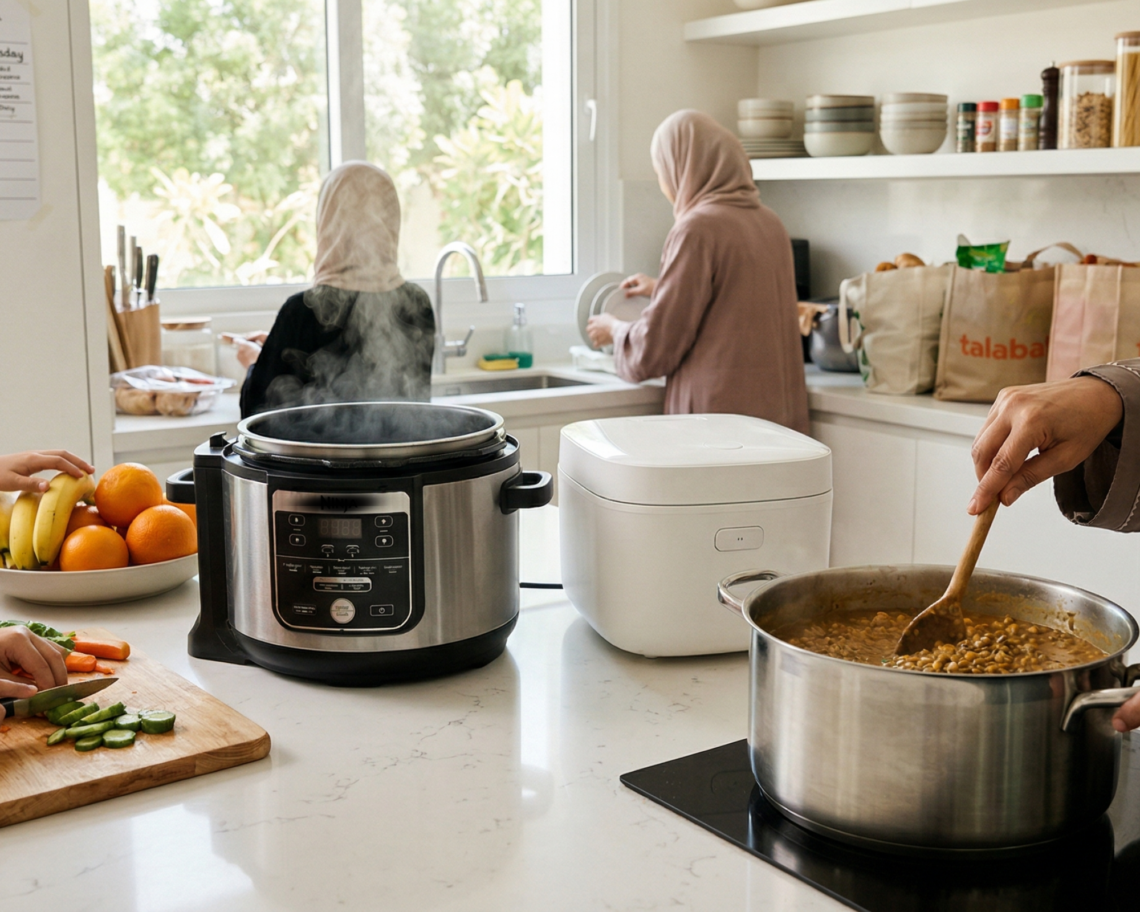
People say the kitchen is the heart of the home. In a house of twelve, the kitchen is something else entirely. It hums. It spills. It overflows. It is less a heart and more a high-traffic terminal … where someone is always arriving, leaving, asking, hungry, or waiting.
Between ten children (from a twenty-year-old with a real appetite to a three-year-old who survives on whims), my husband, and me, we are not just cooking meals. We are managing an ecosystem.
Somewhere between the rice cooker and the sink full of cups, I realized: this was never meant to be done alone.
Feeding a large family is not about culinary perfection. It is about shared labor, gentle structure, and learning how to flow without getting stuck or drowning.
The Architect and the Free Spirit
If you leave the kitchen to me alone, it will function… but it will also drift. I am, at heart, a go-with-the-flow kind of woman. I’ve always been a bit of a “take-things-as-they-come girl” in that sense; I live by feeling and adjust as I go, and usually work better under stress. But that is too much to do for a family of 12.
My husband is the opposite. He builds systems. Maashaa Allaah.
He is the one who created the Chore Chart on our wall—a rotating rhythm where every child carries a role for the month. Kitchen Helper. Trash Collector. Laundry Ninja. Vacuuming Specialist. Some days are dedicated to the deep work: “Folding Day” or “Clean the Bathrooms Day.”
At first, I resisted it. It felt rigid. But over time, I began to see what he saw: this wasn’t about chores. It was about ownership. It was about raising children who don’t just live in a home, but help carry it. Through his structure, I finally found the space to breathe inside my own “forty-tab brain opened, and one of them is playing music but I don’t know which one.”
The Digital Caravan: Feeding a Small Army
We don’t just “run out” for milk. We prepare. Our home runs on two quiet restocking systems: a monthly flow and a weekly rhythm.
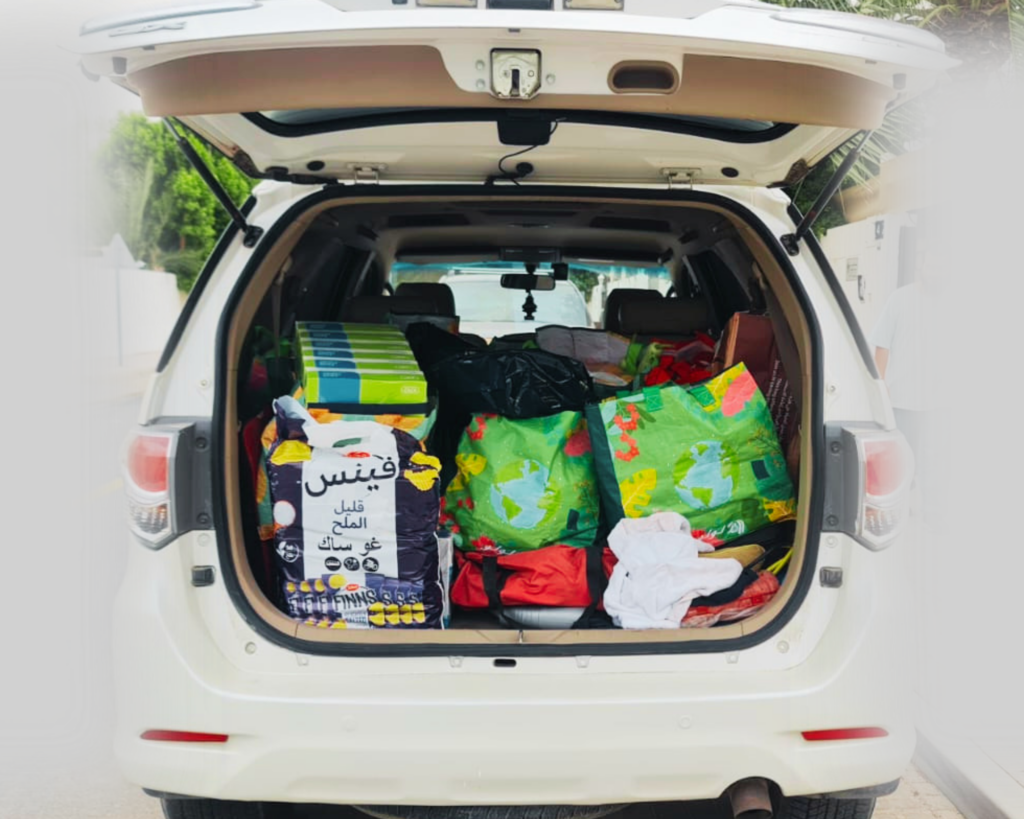
The monthly flow arrives in Amazon boxes: UHT milk stacked like bricks, juice cartons, towers of tissue rolls, boxes of laundry pods, and 5-liter jugs of dish soap. The weekly rhythm is louder. Once a week, we take three children with us—our rotating “logistics scouts”—and we head to Lulu for the fresh items. We fill the carts with what disappears fastest: fruits, vegetables, eggs, meat, snacks, and bread.
When we return, there is a specific kind of barakah in the moment the car pulls up. I send a message in our family Slack: “We’re here.” The door opens. Feet rush out. Hands grab bags. The “unloading team” swarms. What looks like chaos from the outside is actually a well-oiled machine (usually). The pantry fills, the fridge fills, and life continues—held together by many small hands. Alhamdulillah.
The Mid-Week Gap: Enter Talabat, Noon, Carrefour Now.
Despite the massive Amazon boxes and the strategic Lulu missions, life happens. In a house of twelve, a block of cheese can vanish in an afternoon, and the last onion always seems to disappear right as the oil is heating up.
This is where my “go-with-the-flow” side meets modern convenience. When those small, essential gaps appear—the bread for morning sandwiches, a missing spice, or a sudden craving for bananas—I don’t panic. I open apps.
Talabat.
Noon.
Carrefour Now.
There is a quiet relief in knowing that even when my mental inventory fails, a quick delivery can bridge the gap. It’s the small safety net that keeps my brain from crashing, allowing me to stay in the kitchen and keep the rhythm moving without a frantic trip to the store.
Modern Tools for Ancient Rhythms
In the morning, the kitchen becomes a symphony of gadgets and helpers.
- My trusted Xiaomi Rice Cooker hums in the background, turning rice into soft bubur ayam (congee).
- The hardworking Ninja Nutricook has been working since last night, softening lentils or beans so they are ready by dawn.
- The designated Kitchen Helper, Allaahuma barik stands at the stove making eggs, or stirs oatmeal in the microwave.
And me? I move between it all, holding conversations and remembering what everyone forgot. Sometimes, I stay in bed just a little longer, listening to the rhythm already in motion downstairs. It is not quiet, but it is held.
Dinner: Where We Gather Again
I have let go of the need for matching serving dishes. In this season, the pots go straight to the table. Breakfast and lunch are simple—sandwiches, pasta, or fried rice. But dinner is our communal anchor. I try to provide at least two dishes, but usually, it’s a hearty one-pot meal, with a side dish. My husband always ensures there is milk and fresh fruit on the table for each meal. I plate for the little ones, and the older kids serve themselves. It is loud. It is crowded. It is not “aesthetic.” But it is ours.
The Truth About “Kitchen Helpers”
Let me tell you something honestly: too many people in my kitchen does not make me a better mother. It overwhelms me. The noise and the movement build until I feel myself slipping.
Sometimes, I raise my voice. Sometimes, I kick everyone out except for one or two helpers.
For a long time, I thought this meant I was failing. Now I understand: recognizing my limits is also part of the barakah. Peace is not found in doing everything; it is found in knowing what you can hold—and what you must let go of.
The Cake That Wasn’t a Cake
Recently, the girls were making an apple cinnamon cake for a communal picnic. Somewhere in the measuring, the liquid was doubled. What came out of the oven was not a cake; it was a soup.
We didn’t panic. We did what large families learn to do best: we renamed it. We called it Gourmet Apple Pudding. We lowered the heat, let it sit longer, and served it anyway. It was finished to the last drop.
The Real Logistics of Barakah
Barakah is not always in the ease. Sometimes it is in the overflow. It is in the noise, the “failed” meals, and the systems that hold you when you feel like slipping.
When life gives you too much liquid, you make pudding. And when your home feels too full, you trust that the fullness itself.
Before you go… If you’re feeling overwhelmed by the “mental load” today, remember the apple cake that became a pudding. Sometimes, the best thing we can do is rename the mess and find the blessing in it anyway. What’s one area of your life where you’re choosing grace over perfection today? I’d love to know. is the blessing.


You May Also Like
Birth and The Raw Truth of Surrender

MacGyver, Quantum Leap, and My Wildly Unqualified Childhood Confidence