
The Quiet Vulnerability of Financial Dependence
Sometimes I stand holding an item in a store for far too long before quietly putting it back. Not necessarily because we cannot afford it. But because I am already mentally tired imagining how to explain why it matters.
I think many women understand this feeling immediately. The small internal rehearsal. How to make the request sound reasonable enough. Necessary enough. Useful enough. Worth asking for.
Especially when the thing is not pure survival. A notebook. A new prayer dress. Comfortable shoes. Skincare. An iced matcha. Containers you genuinely believe will finally organize your life this time. Tiny things. Tiny things that help tired women emotionally survive adulthood.
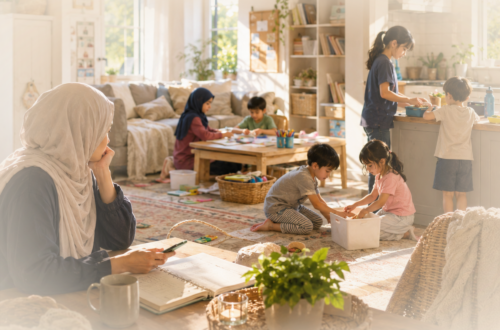
And honestly, it becomes even heavier when the thing is expensive. A new phone when you are already jokingly labeled “phone addicted.” A new sofa and a huge rug for the living room after years of children, spills, jumping, guests, movie nights, tired bodies, and ordinary family life happening on the same furniture every single day. Not because the old sofa is unusable. But because sometimes women quietly long for softness again. For beauty. For renewal. For the home to look and breathe differently.
And somehow, even wanting that thing can make feelings feel complicated, especially after being called ungrateful before. Or not trying hard enough.
And to be fair, I know many husbands are carrying enormous pressure too. Providing for a large family is heavy. Financial decisions are heavy. Life is expensive.
I do not think most men wake up wanting to make the women they love feel small. But words leave echoes.
And once a woman has felt humiliated, excessive, difficult, or not trying hard enough, asking again rarely feels emotionally neutral.
The heaviness starts before the conversation even begins.
The rehearsing. The justifying. The fear of sounding demanding. The fear of becoming too much. The fear of hearing no. The fear of feeling small for wanting comfort. So sometimes women stay silent instead.
The need does not disappear. But they simply do not want to feel like a burden.
And probably that is the part people do not fully understand. Women are not only asking for objects.
Sometimes they are asking:
“Can my needs exist without shame?”
Because emotional safety matters too.
Women are not survival machines. We are human beings. And human beings need more than bare functionality.
We need dignity. Ease. Beauty. Rest. Small joys. Breathing room.
I think many caregiving women slowly become experts at minimizing themselves.
Using uncomfortable things longer than they should. Postponing healthcare. Delaying replacement purchases. Talking themselves out of rest. Apologizing for small pleasures. Treating emotional exhaustion like a character flaw instead of a human reality. Meanwhile their labor inside the home never truly stops.
Remembering schedules. Managing emotional atmospheres. Feeding people every single day. Keeping track of groceries, uniforms, appointments, moods, forgotten forms, and invisible tensions nobody else notices. Carrying entire family systems mentally.
And because this labor is unpaid, it becomes dangerously easy to underestimate its value. But caregiving is still labor. Emotional regulation is labor. Household management is labor. Holding a family together psychologically is labor.
Even if nobody deposits a salary for it.
The conversations these days are often about women and financial independence. I can understand why so many women yearn for it. I do too sometimes. Not necessarily because we reject marriage or reject the Islamic structure of provision. Allah already honored women through nafaqah. That right is clear. Women are simply tired of feeling vulnerable every time they need something.
I think many women are not chasing luxury as much as they are chasing ease. The dignity of replacing something without rehearsing explanations first. The ability to soften their own lives a little without feeling guilty afterward. The emotional safety of knowing their needs can exist without shame.
With all honesty, trusting another human being enough to depend on them financially is itself a profound act of vulnerability.
People rarely talk about that part.
To the men who provide gently: please understand how deeply your softness matters here.
The tone matters. The lack of humiliation matters. The emotional safety matters. Because provision is not only about transferring money. Sometimes provision also looks like allowing a woman to remain dignified while needing.
The Prophet ﷺ was gentle with women. He understood emotional realities. He understood tenderness. He understood human vulnerability.
And I think many homes desperately need more of that prophetic gentleness again.
Maybe women are not only longing for financial independence. Maybe many of us are simply longing for the dignity of existing without constantly apologizing for having needs.


You May Also Like
Evidence
Iqra, When My Mind Is Full